

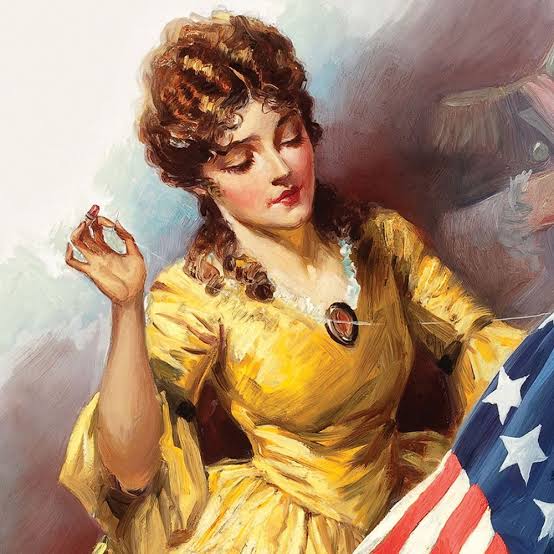
Betsy Ross is one of the most recognized names from the American Revolution, largely because of one story: sewing the first American flag. This biography covers her actual documented life as a working Philadelphia seamstress, and explains what historians can and can’t confirm about the flag story.
Background
Betsy Ross is searched constantly because of the flag legend taught in many U.S. classrooms. People searching her name often want to know if the story is actually true, along with what else is known about her life as a working woman in colonial Philadelphia.
Latest Update
As of August 2026, historians and the Betsy Ross House continue to present the flag-making story as a long-standing family tradition rather than a fully documented historical fact, since the claim was not published until decades after her death, based on her grandson’s account in 1870. No new documentation has recently surfaced to confirm or disprove the story; this article treats it as unconfirmed family tradition rather than established fact, in line with current historical consensus.
Full Profile
Family and Early Life
Ross was born Elizabeth Griscom in 1752 near Philadelphia, one of seventeen children in a Quaker family. She trained as an upholsterer, a skilled trade involving sewing for furniture, drapery, and other textile work, which is separate from being simply a seamstress.
Career Path
Ross ran an upholstery business in Philadelphia, work that involved sewing flags, tents, and other textile goods for various clients, including reportedly for the Continental Army and Navy. Family tradition holds that she sewed an early version of the American flag at George Washington’s request in 1776, though this specific claim comes from an account published by her grandson in 1870, long after her death, and lacks independent contemporary documentation.
Age
Ross lived to age 84, born January 1, 1752, and dying January 30, 1836.
Religion
Ross was raised Quaker, though she was disowned by her Quaker meeting after marrying outside the faith; she later joined the Free Quaker congregation, a group that supported the Revolutionary cause.
Spouse/Partner
Ross married three times: first to John Ross in 1773, who died in 1776; then to Joseph Ashburn in 1777, who died in 1782; and finally to John Claypoole in 1783.
Net Worth
Ross ran a working-class upholstery business and was not among Philadelphia’s wealthy elite. A specific modern-equivalent net worth is not documented and would be speculative.
Parents
Her father was Samuel Griscom, a carpenter, and her mother was Rebecca James, both part of Philadelphia’s Quaker community.
Height
No verified height records exist for Betsy Ross from contemporary sources.
Education
Ross attended a Quaker school as a child, which was relatively progressive for the time in offering education to girls, before being apprenticed in the upholstery trade.
Hometown/State of Origin
Ross was born near Philadelphia, Pennsylvania, and spent most of her life and career working in the city.
Official/Archival Link
Betsy Ross House (Official Historic Site)
Legacy and Lasting Impact
Regardless of the flag story’s uncertain documentation, Betsy Ross’s confirmed career as an independent tradeswoman running her own upholstery business through widowhood and remarriage is itself historically notable, since few women of the era operated businesses so directly in their own name.
Her enduring popularity also illustrates how national origin stories get built and sustained. The flag legend, whether entirely accurate or not, became a widely accepted part of American civic mythology well before most people questioned its documentation, and it remains a useful case study in historical sourcing.
Key Dates at a Glance
| Date | Event |
|---|---|
| 1752 | Born Elizabeth Griscom near Philadelphia |
| 1773 | Marries John Ross; the couple runs an upholstery business |
| 1776 | Reportedly meets with George Washington about a flag design (unconfirmed by contemporary sources) |
| 1777 | Marries Joseph Ashburn after being widowed |
| 1783 | Marries John Claypoole after being widowed a second time |
| 1836 | Dies in Philadelphia |
Historical Context
Upholstery work in the 1770s was a broader trade than the term implies today, covering not just furniture but tents, flags, and other government and military textile contracts, which explains why a flag commission, if it happened as described, would have fit naturally within Ross’s existing business.
Government textile contracts during the Revolutionary War were also awarded somewhat informally compared to modern procurement, often based on personal relationships and local reputation rather than extensive paperwork, which helps explain why a specific flag commission might have gone undocumented even if it did occur roughly as family tradition describes.
Reader Questions (FAQ)
Did Betsy Ross really sew the first American flag?
This is unconfirmed. The claim comes from an account her grandson published in 1870, decades after her death, and there is no surviving contemporary documentation from 1776 that confirms she made the first flag.
What was Betsy Ross’s actual profession?
She was a professional upholsterer in Philadelphia, a trade that involved sewing for furniture, drapery, tents, and flags for paying clients, including reportedly government and military customers.
Was Betsy Ross married more than once?
Yes, she was married three times: to John Ross, then Joseph Ashburn, and finally John Claypoole, after being widowed twice.
Was Betsy Ross Quaker?
She was raised Quaker but was disowned by her meeting for marrying outside the faith; she later joined the Free Quakers, a splinter group that supported American independence.
Did Betsy Ross know George Washington?
Family tradition claims Washington visited her shop to request the first flag, though this specific meeting is not independently documented and is treated as unconfirmed.
Why is Betsy Ross still so widely taught if the flag story is unconfirmed?
The story became a popular patriotic legend after her grandson’s 1870 account and was widely repeated in American education for generations; today it’s usually presented alongside a note that it isn’t fully verified by contemporary records.
Who first told the story of Betsy Ross making the flag?
Her grandson, William Canby, presented the account to the Historical Society of Pennsylvania in 1870, based on family stories rather than contemporary 1776 documentation.
Did any other people claim credit for designing the first flag?
Yes, other historical figures and their descendants, including Francis Hopkinson, have also been credited by various sources with flag design work from the same period, adding to the uncertainty around a single definitive origin.
Did Betsy Ross work on other historically significant projects?
Beyond the flag legend, her documented upholstery business handled various government and private textile commissions typical of the trade during the Revolutionary War period, though most specific individual projects are not well documented today.
How is the flag legend taught in schools today?
Many modern curricula now present it explicitly as an unconfirmed family tradition rather than settled fact, reflecting a broader shift toward more historically careful treatment of the story.
Wrap-Up
Betsy Ross’s confirmed life is that of a skilled, hardworking Philadelphia tradeswoman who ran her own upholstery business through three marriages and multiple widowhoods, which was itself a notable achievement for a woman in that era.
The flag story that made her famous rests on family memory recorded decades later, not on documents from 1776 itself. That doesn’t mean it’s false, but historians are careful to label it as unconfirmed tradition rather than settled fact.
For readers today, her story is a useful case study in how legends form around real people, and why it’s worth separating the working life she actually documented from the version passed down through family storytelling.
None of this uncertainty erases Betsy Ross from history, it just means her documented business career deserves as much attention as the legend that made her famous.
The broader debate over the flag’s true origin also highlights how difficult it can be to verify everyday craftwork historically, since routine sewing commissions in the 1770s were rarely documented with the same care as political or military decisions, leaving gaps that family memory later filled in, accurately or not.
It’s also worth noting how the uncertainty around the flag story reflects a broader pattern in how everyday craftwork from the era survives historically. Unlike political documents or military orders, routine commercial transactions like a flag commission were rarely preserved with detailed records, meaning even entirely true stories from this period can end up difficult to verify simply because the paperwork that would confirm them was never considered important enough to keep at the time.
That gap between family memory and documented fact is exactly why historians now describe her flag-making role as likely but unconfirmed, rather than settled history.

John Wood is the founder and lead editor of Biography Region. He researches and writes accurate, engaging biographies of celebrities, entrepreneurs, influencers, and public figures, delivering well-sourced, reader-focused content that informs and inspires.