

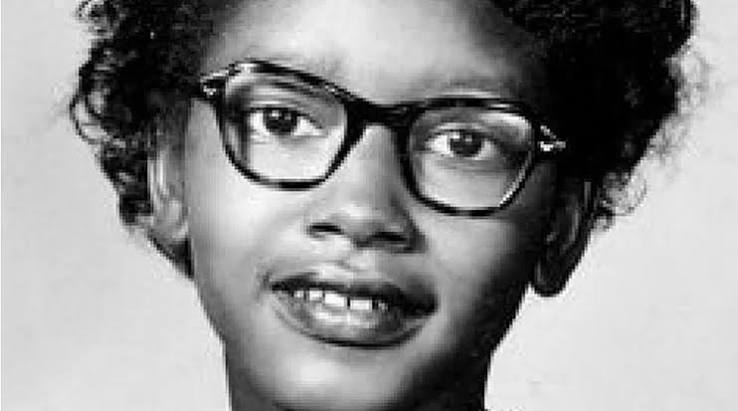
Nine months before Rosa Parks became famous for refusing to give up her bus seat, fifteen-year-old Claudette Colvin did the same thing in Montgomery, Alabama. This biography explains why her name isn’t as widely known and what happened to her afterward.
Background
People search Claudette Colvin’s name because her story raises an interesting historical question: why did the bus boycott movement center on Rosa Parks rather than Colvin, who took the same risk months earlier? The honest answer involves both respectability politics of the era and details of Colvin’s personal circumstances at the time.
Latest Update
As of August 2026, Claudette Colvin’s role in early civil rights history continues to receive growing recognition through books, documentaries, and educational materials aimed at giving a fuller account of the Montgomery bus boycott’s lead-up. In 2021, a Montgomery juvenile court judge formally expunged her 1955 arrest record; no newer legal or biographical development has recently been confirmed beyond that.
Full Profile
Family and Early Life
Colvin was born in 1939 and raised in Montgomery, Alabama, in a working-class family. She was an engaged student interested in Black history and civil rights issues even before her arrest, having studied Black leaders in school shortly before her own protest.
Career Path
On March 2, 1955, fifteen-year-old Colvin refused to give up her bus seat to a white passenger and was arrested, an act of resistance that predated Rosa Parks’ more famous protest by about nine months. Civil rights leaders at the time ultimately chose not to make Colvin the face of a planned bus boycott, reportedly due to concerns including her age and, later that year, an unplanned pregnancy, which organizers worried could be used to undermine the campaign’s public image. She later became one of the plaintiffs in Browder v. Gayle, the 1956 federal case that ultimately ruled Montgomery’s bus segregation unconstitutional. She later worked for decades as a nurse’s aide in New York.
Age
Colvin was born September 5, 1939; she was fifteen years old at the time of her 1955 bus protest and arrest.
Religion
Colvin’s religious background is not extensively detailed in widely available public sources; broader civil rights organizing of the period was often closely tied to Black church communities in Montgomery.
Spouse/Partner
Detailed public information about Colvin’s marital history is limited in reliable public sources; this is noted here as unconfirmed rather than assumed.
Net Worth
Colvin worked as a nurse’s aide for much of her adult life after relocating to New York; a specific net worth figure is not documented and would be speculative.
Parents
Colvin was raised primarily by her parents, C.P. and Mary Anne Colvin, in a working-class household in Montgomery, Alabama.
Height
No widely documented height records exist for Claudette Colvin from contemporary sources.
Education
Colvin attended segregated public schools in Montgomery, Alabama, and was known as an engaged student prior to her arrest, later continuing her education after relocating.
Hometown/State of Origin
Colvin was born and raised in Montgomery, Alabama, and later relocated to New York City.
Official/Archival Link
U.S. National Archives: Civil Rights Records
Legacy and Lasting Impact
Colvin’s growing recognition in recent decades reflects a broader historical reassessment of who gets credited as a movement’s ‘first mover.’ Historians and educators increasingly present her story alongside Rosa Parks’ to give a fuller, more accurate account of the Montgomery bus boycott’s actual lead-up.
Her role as a plaintiff in Browder v. Gayle also carries lasting legal significance, since that case, not the boycott itself, produced the actual court ruling declaring Montgomery’s bus segregation unconstitutional, a detail often overshadowed by the more widely known boycott narrative.
| Date | Event |
|---|---|
| 1939 | Born in Montgomery, Alabama |
| March 2, 1955 | Refuses to give up her bus seat; arrested at age fifteen |
| 1956 | Serves as a plaintiff in Browder v. Gayle, which rules Montgomery bus segregation unconstitutional |
| Later 1950s-1960s | Relocates to New York City and works as a nurse’s aide |
| 2021 | Her 1955 juvenile arrest record is formally expunged |
Historical Context
Montgomery’s bus segregation system in 1955 required Black passengers to give up seats on demand to white passengers even in sections technically designated for Black riders if the white section filled up, a policy inconsistently enforced but frequently used to humiliate or intimidate Black passengers.
Colvin’s arrest occurred during a period when local NAACP chapters, including Montgomery’s, were actively looking for a strong test case to challenge bus segregation legally, which is part of why organizers evaluated her case carefully before ultimately deciding to wait for a different plaintiff to launch the boycott publicly.
Reader Questions (FAQ)
What did Claudette Colvin do?
On March 2, 1955, at age fifteen, she refused to give up her bus seat to a white passenger in Montgomery, Alabama, and was arrested, months before Rosa Parks’ similar and more widely publicized protest.
Why isn’t Claudette Colvin as famous as Rosa Parks?
Civil rights organizers at the time reportedly felt Parks made a stronger public face for the planned boycott, partly due to Colvin’s age and, later that year, an unplanned pregnancy, which organizers worried opponents could use to discredit the movement.
Was Claudette Colvin involved in any legal cases?
Yes, she was one of the plaintiffs in Browder v. Gayle, the 1956 federal court case that ruled Montgomery’s segregated bus system unconstitutional.
Was Claudette Colvin’s arrest record ever cleared?
Yes, a Montgomery juvenile court judge formally expunged her 1955 arrest record in 2021, decades after the original incident.
What did Claudette Colvin do later in life?
She moved to New York City, where she worked for decades as a nurse’s aide, largely outside the public eye until her role in civil rights history gained wider recognition later in life.
Why do people search for Claudette Colvin’s story today?
Her story adds important context to the Montgomery bus boycott’s history, showing that Rosa Parks’ protest, while historically significant, was not an isolated first act of resistance.
What is Browder v. Gayle?
It was the 1956 federal court case, in which Colvin was a plaintiff, that ruled Montgomery’s segregated bus system unconstitutional, providing the legal basis that ended the boycott successfully.
Has Claudette Colvin spoken publicly about her experience?
Yes, in more recent years she has given interviews and participated in documentaries and books discussing her role, contributing directly to the growing public recognition of her story.
Did Claudette Colvin ever meet Rosa Parks?
Available public accounts do not extensively document a close personal relationship between the two women, though both were involved in overlapping Montgomery civil rights circles during the same period.
Where does Claudette Colvin live today?
Public sources indicate she has lived in New York for many years following her relocation there as a young adult, though specific current details should be checked against recent reporting.
Wrap-Up
Claudette Colvin’s story complicates the simplified version of the Montgomery bus boycott’s origin. Rosa Parks’ protest is well known and important, but Colvin’s earlier, similarly brave act shows that resistance to bus segregation didn’t start with one single moment.
The reasons her case wasn’t used to launch the boycott say a lot about the pressures civil rights organizers faced in choosing a public face for their campaign, including how a teenager’s personal circumstances could be weaponized by opponents.
For readers today, Colvin’s story is an important corrective, a reminder that history often remembers the person chosen to represent a moment, not always the person who acted first.
As more of this fuller history reaches classrooms and documentaries, Colvin’s contribution is increasingly presented not as a footnote to Rosa Parks’ story, but as a significant event in its own right.
Colvin has spoken candidly in later interviews about the difficulty of watching Rosa Parks receive widespread recognition while her own role remained little known for decades, an experience she has described honestly rather than bitterly, while still welcoming the more recent recognition of her contribution.
It’s also worth noting that Colvin’s case, while not ultimately chosen to launch the boycott publicly, still played a legally decisive role through Browder v. Gayle, meaning her willingness to challenge segregation directly contributed to the actual court ruling that ended Montgomery’s bus segregation, even though the more famous boycott narrative built around Rosa Parks tends to receive most of the public credit.
That legal contribution deserves equal weight alongside her personal courage, since it was the court ruling, not the boycott alone, that changed the law.

John Wood is the founder and lead editor of Biography Region. He researches and writes accurate, engaging biographies of celebrities, entrepreneurs, influencers, and public figures, delivering well-sourced, reader-focused content that informs and inspires.